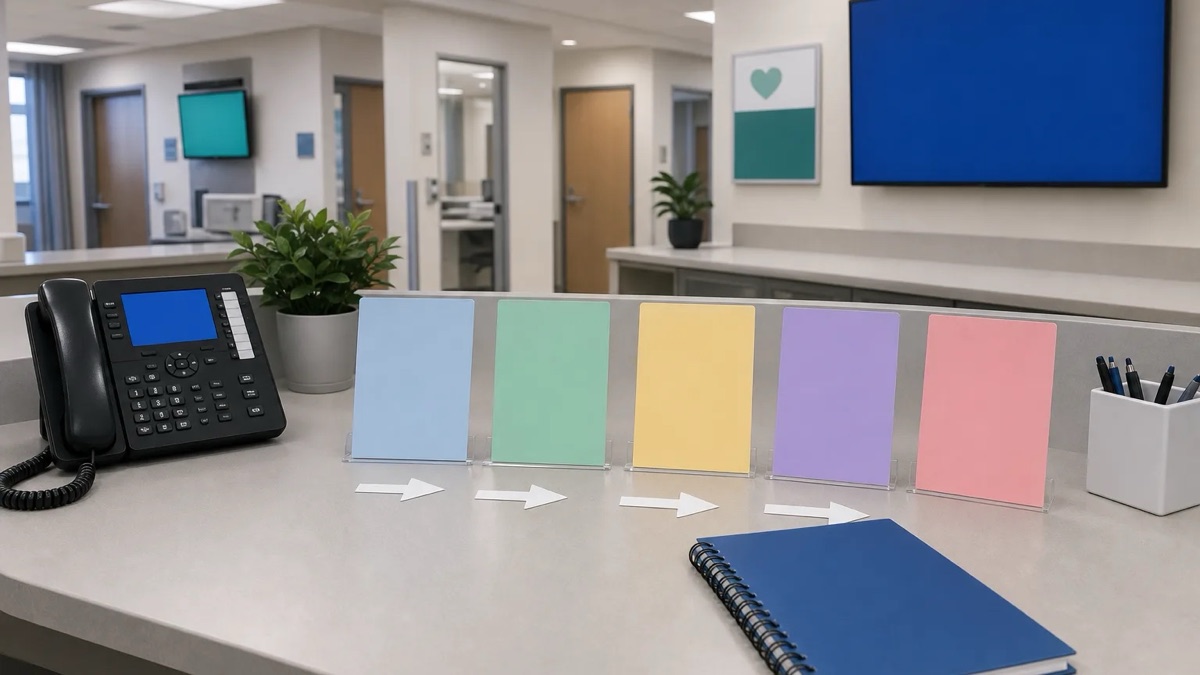


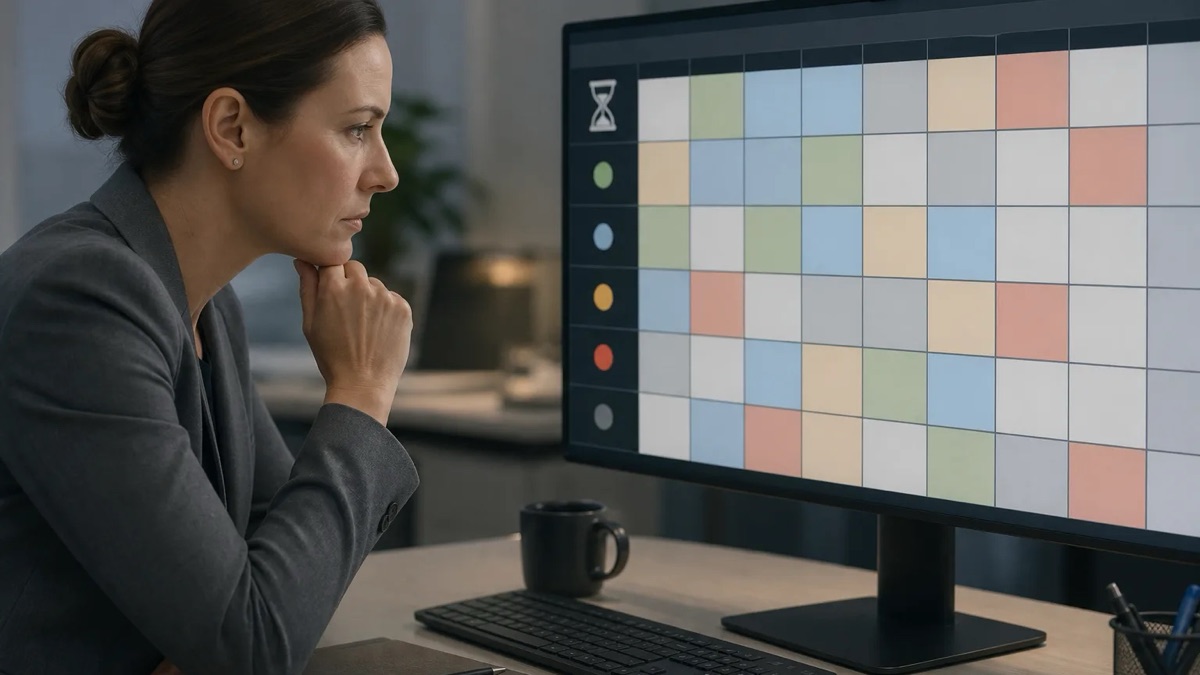
Treatment center availability language can pose a high risk on a behavioral health website. People may read that beds are open, same-day admission is possible, or staff answer calls at all hours. They may then expect those claims to be true when they call. If the facts have changed, trust can break before care starts. Managing this content is a team task. It involves admissions staff, content owners, review teams, and site upkeep. Poor claims may lead people to end calls, lose trust, or question whether the site is accurate.
This page sets out a fact-check and ownership plan for five types of content. They cover bed or slot status, same-day access, waitlists, business hours, and response times. Each type needs its own update rate and review path. Every public claim should link to a named owner, a check date, and a set review date. This process cannot promise compliance or an admission result. It can show when a claim was checked, who checked it, and when the next review is due.
Why Does Access Language Carry Such High Risk?
Access facts can change much faster than most web pages. Bed status, wait times, and hours may shift before a content review. Link the addiction treatment SEO services with the addiction treatment marketing library so each claim has a clear owner and current check.
The main problem is a gap in timing. A web page may stay the same for months while daily facts keep changing. Bed use rises and falls. A program may add weekend hours, then cut them when staffing changes. A waitlist can open or close. These events will not update a web page on their own. A set process must link each change to the right content owner. Without that link, copy from a time of open capacity may remain after beds fill. People may call based on the old claim. If the admissions team cannot meet that expectation, the caller may lose trust or end the call. That gap is the central risk in access content.
Public rules and oversight add to the need for care. Federal agencies and state boards may review behavioral health ads and web claims for misleading content. This page does not give legal advice or decide whether a claim meets any law. The core concern is more limited. Claims that overstate access may draw review. Current claims backed by records give review teams a clearer basis for their work. SAMHSA offers broad facts on types of treatment at samhsa.gov. That source does not confirm any one center's current capacity. Treat each access claim as a time-bound business fact. Give it a source, an owner, a check date, and an end date.
How Should Your Team Manage Bed and Slot Availability?
Give each claim type a named content owner. Match review dates to work reports, since normal edit calendars may be too slow. Keep lasting program facts apart from dated status updates. Use the admissions content strategy for addiction treatment centers with the insurance verification page for addiction treatment to align ownership and checks.
A sound process starts by keeping lasting facts apart from current status. Lasting content explains how the program works, which care levels it offers, and how admissions begin. These facts may change less often, so a three-month review may fit. Status content reports current access and needs a much shorter review cycle. Place the two types in separate page blocks or site fields. Editors can then change a status note without changing the full page. This setup also makes audits easier. A reviewer can find the live status, its source, and its check date without reading every line.
Each bed or slot claim should have four record fields. Keep the exact claim, the latest check date, the name of the staff member who confirmed it, and the next review date. A sheet or content system can store these facts. Use block-level fields if the site system supports them. If it does not, keep a linked log that reviewers can find. No access claim should exist without a record. When a review date passes without a new check, flag the claim as out of date. The default step should be to replace it with lasting process copy. Restore a specific status only after staff confirm it again.
What Rules Work for Same-Day Access and Waitlist Copy?
Same-day claims need checks each day or shift. Waitlist copy needs clear start and stop rules. Prepare lasting backup copy before a status changes. Use the addiction treatment admissions process page with the pre-admission assessment content for treatment centers to connect each update to its owner and source.
A same-day admission claim can become false very quickly. It can also carry great weight for a person who needs help now. That mix calls for a short check cycle. Name an admissions operations lead who confirms status at each shift start or at least each morning. Send that result to a site status field, shared file, or simple staff dashboard. Set a firm time for the update. If no check arrives by that time, show the approved backup copy. The backup should explain how to reach admissions and what happens next. It should not state that same-day access is open unless a current record supports that claim.
Waitlist copy has a different risk. A center may add a waitlist note when use is high, then leave it live after space opens. That old note could stop people from calling when prompt access may be possible. Written trigger rules can reduce this risk. State when the waitlist message turns on and when it turns off. Name the person who can make that call. Set the longest allowed delay between the status change and the site update. Approve copy for both states before it is needed. When a trigger occurs, the named person can switch the blocks. The team does not need to wait for a new writing and review cycle.
How Should Teams Maintain Hours and Response-Time Claims?
Store hours as shared data rather than repeated page copy. This helps one approved change reach all linked pages. Describe response steps unless a timed promise has current proof. Use the addiction treatment cost content with the out-of-state addiction treatment content to keep facts, owners, and checks aligned.
Outdated hours are common on behavioral health sites. A program may change its weekend intake times and update its staff calendar. The web page may still show the old hours for months. Site design can help prevent this. Keep hours in one source, such as a content field, data block, or linked business profile. Pull each display of the hours from that source. Hand-typed hours on many pages create extra work and more room for error. A single shared field lets one approved edit reach each linked use. First, find every place where hours appear. Then move those entries to the shared source. Last, require operations staff to tell the content owner when hours change.
Response-time copy needs the same level of care. Claims that calls are answered in minutes or within one hour create a clear expectation. Staffing may not support that promise at all times. A safer process statement explains what happens after contact. For example, an inquiry goes to the admissions team, which responds as soon as possible. A center may state a set response window if its records support that service standard. The claim still needs a check date and a named owner who tracks results. A timed claim without active checks can mislead readers. Google Search Central's helpful content guidance at developers.google.com links trust with content that reflects what a business can provide.
Which Roles Own Treatment Center Availability Language?
Use three separate roles for access content. Operations confirms source facts, a content owner controls publication, and a review lead checks the full claim list. Use the family decision support addiction treatment content with the what to bring to treatment website content to link each role with its review step.
Clear role limits support the whole review process. If one person confirms facts and posts them, no second person checks the match. A small center may lack separate teams for each task. It can still assign separate roles to current staff. The operations contact is often part of admissions or clinical operations. That person can see bed use, hours, and waitlist status. The role provides a checked status record on a set schedule. A marketing or communications team member may own site content. That person posts only claims backed by a current record. A compliance reviewer checks the full list every three or six months. The reviewer may work for the center or serve as an outside adviser.
Each audit should create a written list of claims. Record every page with access copy, the claim type, its latest check date, its owner, and its next review date. Flag any claim with a late review date for prompt action. Send claims with no named owner to leadership. This list may also help explain the center's ad review process if a regulator or accreditor asks. It can show how content drifts over time. A claim checked six months ago is not current merely because the old record still exists. Keep the list active and update it with the site. SAMHSA resources at samhsa.gov and HHS guidance at hhs.gov offer public context. They do not replace legal or compliance review for a specific center.
These answers sum up the main work rules and their limits. Current records must still support business facts, clinical statements, privacy choices, and platform use. Pair the aftercare and alumni program content with the treatment center facts register so owners can find and check related claims.
Editorial limitation: This article reflects content governance principles for marketing and web operations teams. It does not constitute legal advice, compliance certification, or clinical guidance. Facilities should engage qualified legal counsel, compliance advisors, and clinical leadership to review specific claims and workflows before publication. Tim Francis serves as editorial lead and is not a licensed attorney, clinician, or regulatory authority.