

SEO Agency For Tree Service Companies
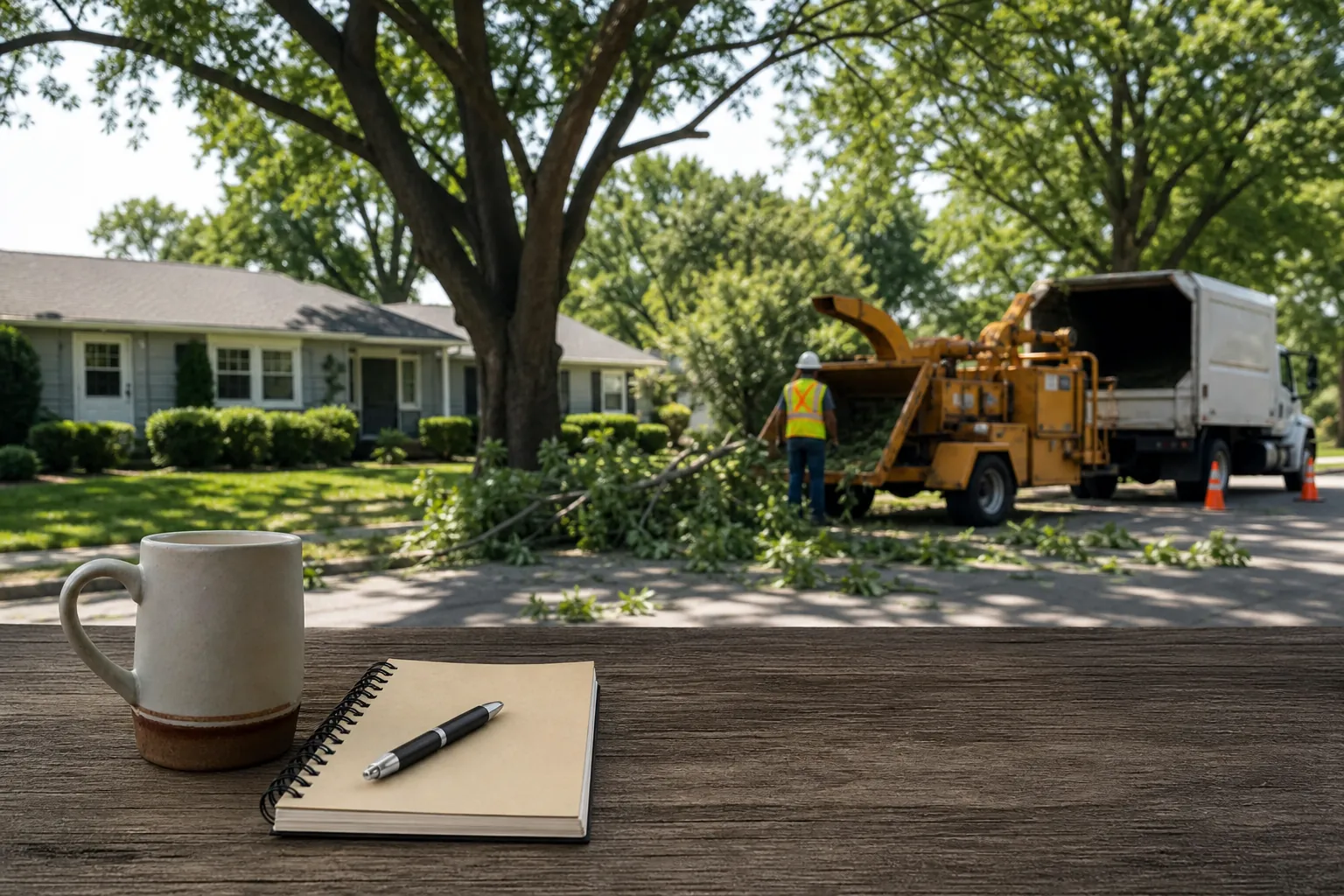
Choosing an SEO agency for tree service companies starts with clear questions about fit, process, and reporting. A useful agency plan should reflect how customers search for tree care, how the company serves its area, and what the business can support. It should also explain what work is planned, who will do it, and how progress will be reviewed.
SCALZ.AI offers custom, premium, done-for-you SEO services. Its confirmed services include local SEO, technical SEO, content strategy, link building, analytics and reporting, AEO, GEO, and LLM SEO. The sections below outline ways to compare agencies and review a plan without assuming specific outcomes.
What An SEO Agency For Tree Service Companies Should Cover
A search plan should begin with the business itself. Ask how the agency will learn which services the company offers, where it works, and which jobs fit its goals. The plan should reflect real service areas and real capacity. It should not rely on broad claims about every possible customer or town.
Ask for a clear scope before work begins. A proposal can name the tasks, owners, review points, and reporting schedule. It can also explain what the agency needs from the business, such as service details, photos, or approval of draft pages. Clear roles make it easier to spot gaps before they affect the work.
Check whether the agency separates research, site changes, content, and reporting. These tasks serve different purposes. Research helps set priorities. Technical work supports access and site structure. Content explains services to people. Reporting helps the business review activity and decide what to discuss next.
Ask how the agency plans to learn about the company’s work. Useful questions include which services are most important, which areas the team can serve, and what questions customers ask before requesting an estimate. The agency should use approved facts, not invent details to fill a page.
SCALZ.AI’s matching tree service SEO page is a relevant place to review the company’s offering. Buyers can also see how answer engine optimization fits into its wider search work. Ask any agency to explain how its proposed work connects to your own business priorities.
- Request a written scope with named tasks and review points.
- Ask which business facts the agency needs before it drafts content.
- Confirm who approves changes to pages and business listings.
- Check how the agency will report completed work and open questions.

How To Review Local SEO And Service Areas
Local SEO helps a business present its services and service areas clearly in search. Start by checking the company name, phone, address, and service details on its website and public profiles. If information differs, ask how the agency will review and correct it. Do not assume that every listing can be changed in the same way.
Service area pages need a sound reason to exist. A page should help a person understand where the company works and what it offers there. It should use accurate details approved by the business. Repeating the same copy while swapping town names can leave pages thin and hard to use.
Ask the agency how it will decide which local pages deserve work. A practical review can weigh current site content, business priorities, and the areas the team can actually serve. The plan should distinguish an area the business serves from an office location. It should not imply a local office where none exists.
Review how the agency handles the business profile and other local signals. SCALZ.AI confirms Google Business Profile optimization and local SEO among its services. Buyers can ask what profile work is included, what access is needed, and how edits will be reviewed. The answer should make clear which tasks belong to the agency and which need business approval.
For a buyer comparing approaches, the tree service SEO page gives a relevant service reference. The LLM SEO service page can help frame questions about how company details may be found through AI search tools. Local profile work and AI search are related parts of a broader visibility plan, but they are not the same task.
Ask how local work will be checked over time. A report might show which pages or profile fields were reviewed, what changed, and what remains open. This makes the work easier to discuss without treating a change in search placement as a promised result.

How To Assess Site Structure And Technical SEO
Technical SEO is work on the site that supports crawling, indexing, and use. It can include reviewing page access, navigation, links, and mobile display. Ask the agency to explain any issue in plain language, show where it appears, and state what work it proposes. A list of technical terms alone does not help a buyer judge the scope.
Site structure matters because people need a clear route from a page to related information. A company may group its services, locations, and contact details in a way that is easy to scan. Each page should have a clear purpose. Avoid adding pages only to increase the site’s page count.
Google’s SEO Starter Guide describes baseline topics such as site structure and search access. Use it as a reference when reviewing an agency’s explanations, not as evidence of a promised ranking. Ask the agency to connect each proposed change to a specific page or site issue.
Before technical changes go live, establish a review path. Confirm who can approve changes, who can access the site, and how the work will be recorded. Ask how the agency will handle a change that affects a page used by customers. The right process depends on the site and the business’s own systems.
SCALZ.AI lists technical SEO as a confirmed service. Buyers can review its tree service SEO page alongside its AEO service page when asking how site structure may support both standard search and answer-focused content. Keep the discussion specific: which pages need attention, what will change, and how will the work be checked?
A useful technical review also records what is outside the scope. The agency may identify an issue that requires a developer or a platform change. Ask who would handle that work and whether it is part of the proposal. A clear boundary helps prevent confusion about who owns each task.
How Content Can Serve Searchers And Answer Engines
Useful content starts with accurate information about the company. Pages can explain what a service includes, which areas the team serves, and how a customer can ask a question. The business should review factual details before publication. The agency should not make up methods, credentials, prices, or service limits.
Build content around real questions, not a list of search terms alone. A page can answer one clear question, then point readers to related details. The wording should be direct and easy to scan. Short headings, plain terms, and useful page links help people find what they need.
Google’s guidance on helpful, reliable, people-first content is a useful reference for reviewing page quality. It supports a focus on helpful information, not a claim that a certain format earns a ranking or citation. Ask the agency how it checks that a draft is accurate and useful to the intended reader.
AEO and AI search add another reason to make important facts clear. People may ask answer tools about services, location, or how to contact a company. SCALZ.AI confirms AEO, GEO, and LLM SEO as services. Buyers should ask what work each label covers and how it relates to the website’s current content.
Review the AEO service page and the LLM SEO service page to prepare specific questions. Ask which pages the agency would review, how it would check claims, and how reporting would describe the work. Do not treat an appearance in an answer tool as a result the agency can promise.
A content plan should also state who owns updates. Service details can change, and outdated pages can confuse readers. Agree on a way to flag changes and approve edits. This keeps the site closer to the company’s current, approved information.
How To Compare Agency Plans And Reporting
When comparing proposals, look beyond the monthly task count. Ask what the agency will do, what it will need from your team, and how it will share the work. A plan should make clear which tasks are ongoing and which are one-time reviews. It should also state what is outside its scope.
Review the proposed measures with care. Ask what each measure describes and how often it will be shared. A report can show completed tasks, site changes, page work, and questions that need a decision. The agency should explain limits in the data, especially when different tools use different methods.
SCALZ.AI confirms analytics and reporting as services. Buyers can use the tree service SEO page to check the service fit and the LLM SEO page to ask about AI search work. Ask for a sample report if one is available, and check that it separates activity from business results.
Compare how agencies handle revisions and feedback. Find out how drafts reach the business, how many review steps are included, and how the agency records approved changes. Ask what happens if a page needs more subject detail from the company. A sound process gives the people who know the work a chance to check the facts.
Cost matters, but it is easier to compare when scope is clear. Check whether the proposal lists content, technical work, local SEO, reporting, and any other included tasks. Ask about extra fees before signing. Avoid comparing one broad package with another that leaves key tasks undefined.
- Compare written scopes, not broad labels or sales language.
- Ask how the agency will show completed work and pending decisions.
- Confirm which tools or accounts the business must provide access to.
- Review how draft pages and technical changes receive approval.
- Ask how added work is scoped and priced before it begins.
Questions To Ask Before Choosing An Agency
A first meeting can help both sides decide if the work fits. Ask who will handle the account, what information they need, and how often you will review the plan. The agency should be able to explain its process without relying on technical language or broad claims.
Ask how the agency learns the business’s services and service area. Find out how it checks facts before publishing and how it responds when the company corrects a draft. Ask how it will avoid pages that repeat the same message without helping readers.
Ask what is included in a custom, done-for-you plan. SCALZ.AI describes its service as premium, custom, and done-for-you. Those terms describe the service model, not a set result. Ask which tasks are proposed for your business, who will complete them, and how often the scope can be reviewed.
Ask how the agency treats search changes and AI search. A careful answer should explain what it can work on and what is outside its control. Search systems and answer tools make their own decisions. No agency can control every display, answer, or position.
To prepare, review the matching tree service SEO page and the AEO service details. Bring your service list, coverage area, and current priorities to the discussion. If you do not have a written scope yet, ask the agency to set out proposed tasks and review steps first.
Finally, ask how a decision to pause or change the work would be handled. Confirm the notice process, account access, and ownership of any work created for the business. These details make it easier to assess the full relationship, not merely the initial proposal.
Build A Practical SEO Review Checklist
A checklist helps a buyer compare agencies on the same points. It should reflect the company’s services, capacity, site, and goals. Use it to record what each agency says, what remains unclear, and what the business needs to confirm internally.
Start with facts the company can verify. List its current services, coverage area, contact details, and pages that need attention. Mark information that needs approval before it appears on the site. This gives the agency a grounded starting point and helps avoid unsupported copy.
Next, review the proposed work by area. A local plan may cover profile details and location content. A technical plan may cover site access and structure. A content plan may cover new or revised pages. An AEO or LLM SEO plan may address how key answers and facts are organized for discovery.
SCALZ.AI’s tree service SEO page can serve as a starting point for service questions. Its AEO page can support a separate discussion about answer-focused work. Ask the agency to define each service in the proposal instead of assuming that the same label means the same tasks everywhere.
Use the checklist during review meetings. Record the page or account discussed, the decision made, and the person responsible for the next step. If a claim needs more detail, hold it until the business can verify it. This simple record can keep plans focused and make follow-up easier.
- List the services and areas the business can confirm it serves.
- Mark site facts that need review before publication.
- Record the proposed task, owner, and approval step for each work area.
- Note how each report measure is defined and shared.
- Keep open questions separate from approved facts and decisions.
Use the discussion to judge fit, not to seek a preset promise. A clear agency plan should tell you what work is proposed, how it will be reviewed, and where your team needs to take part. That makes it easier to choose a service model that matches your business and capacity.
Frequently Asked Questions
What should a tree service company look for in an SEO agency?
Look for a clear scope, accurate content review, and reporting the business can understand. Ask how the agency will handle local SEO, site work, content, approvals, and changes to the plan.
Does local SEO mean creating a page for every town?
No. A local page should serve a clear purpose and use accurate details. Ask the agency how it will choose pages and avoid repeating copy with only a town name changed.
How should an agency explain AEO and AI search work?
Ask which pages or facts it will review, what work it proposes, and how it will report that work. Search and answer tools make their own decisions, so ask for a clear scope instead of a promised display.
What should an SEO report include?
Ask for a report that explains completed work, open items, and the meaning of each measure. It should separate tasks from business results and explain limits in the data.
How can a company check that its SEO content is accurate?
Have the people who know the services review factual details before publication. Confirm service descriptions, coverage areas, contact details, and any other claims the page includes.
Request More Information
Call 407-954-8800 to request more information about SCALZ.AI’s SEO services.
Call 407-954-8800 to talk through next steps.