

How Should Service-Area Pages Be Optimized for LLM Search?
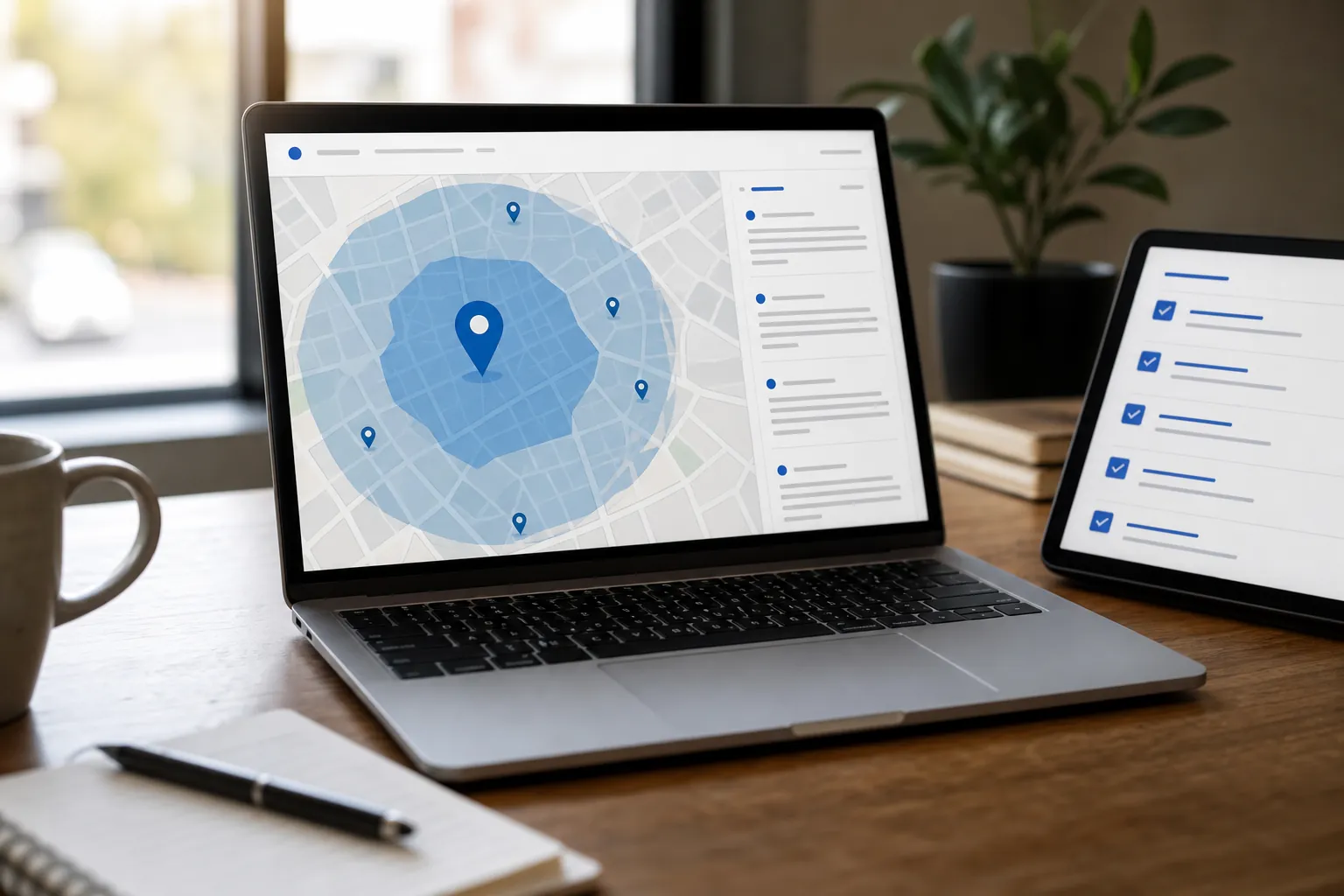
Service-area pages need to do more than mention a city and repeat a service description. For LLM SEO, each page should clearly explain who the business serves, what it offers, where the service is available, and why the page is distinct from other location content. The goal is to create a page that people, search engines, and answer systems can interpret without guessing. Use the following framework when planning, reviewing, or rebuilding service-area pages.
Start With a Clear Page Purpose and Search Intent
Define the job of each page before writing it. A service-area page should answer a specific local need, not exist only to place another city name on the website. Decide which service and geographic area the page covers, then identify the questions a prospective customer would need answered before taking the next step.
Keep the page focused. A page about one service in one area should not drift into every offering or become a general company overview. State the service area early, describe the relevant service in plain language, and clarify any meaningful limitations without making unsupported claims.
Review nearby pages before drafting. If two pages would have nearly identical answers, consolidate them or give each a genuinely different purpose. This reduces thin, repetitive content and makes the site easier to understand. The final page should help a reader decide whether the business is relevant to the need and location, even if that reader arrived without seeing the homepage or navigation.

Build Around Verifiable Local and Service Details
LLM-friendly content depends on explicit, consistent facts. Avoid vague language such as “serving everywhere nearby” when a specific service area can be stated accurately. Do not imply that the company has an office in a city unless that location is real and verified. A service-area page is not the same as a physical-location page.
Before publication, verify every business detail against an approved source. Keep names, service descriptions, phone numbers, and geographic references consistent across the site. When information is unknown, leave it out rather than filling the gap with generic copy.
- Use a unique title, H1, introduction, and page summary.
- Name the covered area accurately and naturally.
- Explain the specific service without inflated promises.
- Answer practical questions about fit, process, and next steps.
- Link to relevant service, contact, and supporting resource pages.
- Check that the visible phone number is 407-954-8800.
- Remove unsupported addresses, credentials, results, and guarantees.
This factual discipline supports local SEO, AEO, GEO, and LLM SEO while giving decision-makers dependable information.
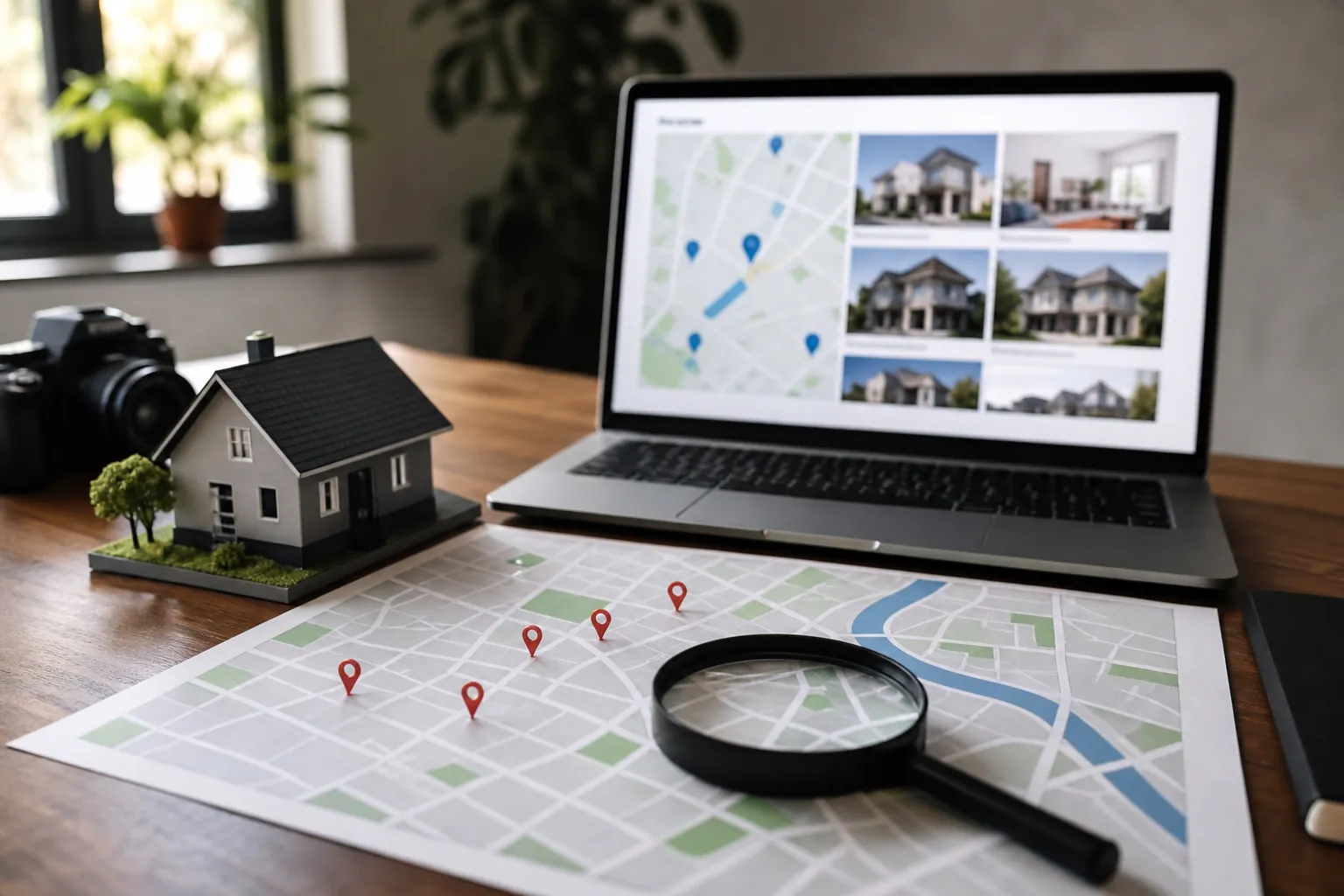
Structure Content for Extraction and Human Decisions
Answer engines and language models often work with passages, not just entire pages. Make each section understandable on its own. Use descriptive H2 headings, short opening answers, and supporting paragraphs that add context. Avoid clever headings that conceal the topic.
Lead with direct statements. For example, explain what the page covers before discussing broader strategy. Define specialized terms when they are necessary, and use the same core terminology consistently. This helps readers compare options and gives automated systems clearer relationships among the business, service, area, and customer need.
Add useful questions only when the answers are specific and verified. Do not manufacture an FAQ to increase word count. Strong service-area content often addresses who the service is for, what the process includes, whether the area is covered, and how to contact the business. Keep the call to action proportionate. A reader should receive enough information to evaluate relevance before being asked to call. Tables, bullets, and brief summaries can improve scanning, but they should organize real information rather than decorate thin copy.
Connect Pages Through a Deliberate Content System
A service-area page should sit within a clear internal-link structure. Link it to the most relevant service page and, where appropriate, a parent regional page. Supporting articles can clarify specialized questions without forcing one landing page to cover every topic. Anchor text should tell the reader what the destination contains.
Prevent orphan pages by including each important service-area page in an intentional navigation or hub structure. At the same time, avoid inserting links to every location on every page. Select links based on relevance and usefulness.
Content planning should also account for geographic gaps. Compare the areas and services represented on the site with the business’s verified priorities, then decide whether a new page, an expanded existing page, or no page is the right choice. For a related planning approach, review how to identify behavioral health geo content gaps. This is especially useful for behavioral health marketing and rehab marketing, where accuracy, clarity, and careful wording matter. A content map can keep local pages distinct while supporting the broader strategy.
Complete Technical Checks Before and After Publishing
Good writing cannot compensate for a page that search systems cannot access or interpret. Confirm that the page returns the correct status code, can be crawled, and is not unintentionally blocked or marked noindex. Use a self-referencing canonical when appropriate, include the page in the XML sitemap, and verify that internal links point to the preferred URL.
Review the title tag, meta description, H1, heading order, image text, mobile layout, and page speed. Structured data should match visible, verified content. Do not use schema to claim a location, review, service, or credential that the page does not substantiate.
After publication, revisit the page when services, coverage, contact information, or site architecture change. Check for broken links, redirect chains, duplicate metadata, and content that has become inaccurate. Evaluation should include both technical SEO and editorial quality. Search visibility can vary, so avoid treating publication as a guaranteed result. The practical standard is simpler: the page should remain accessible, accurate, distinct, locally relevant, and useful to someone deciding what to do next.
Discuss Your Service-Area Page Strategy
SCALZ.AI supports businesses with AI SEO, AEO, GEO, LLM SEO, technical SEO, local SEO, content strategy, SEO audits, and related digital work. To discuss service-area pages and determine an appropriate next step, call 407-954-8800.
Call 407-954-8800 to talk through next steps.