

How should roofers compare SEO and paid search scopes?

How should roofers compare SEO and paid search scopes? Start with the work, costs, and proof each agency will share. Both channels can serve the same business goals. Yet their tasks, schedules, controls, and tracking methods differ. One monthly price can hide these gaps unless the proposal lists each part.
Roofing owners should check each proposal against the services they truly offer. Check real service areas and how staff handle inspection or estimate requests. A clear scope explains the work you're buying before the agency starts.
This guide helps roofing owners compare agency scopes and the work included. It covers answer engine optimization, or AEO, and generative engine optimization, or GEO. You'll see how these fit with SEO and paid search management.
What should roofing SEO and paid search scopes cover?
A roofer might use organic search to explain real service areas. It can also explain the roof replacement options the business offers. Paid search might target chosen searches from buyers. Ask how each channel helps bring relevant inspection or estimate requests for services the roofer truly provides. Compare roofing SEO reach with conversion rate optimization responsibilities.
Start with business needs rather than a preferred search channel. Which areas need more reach, and which services can the business support? Which requests are a good fit for your team? What limits on staff or service should the marketing plan reflect?
SEO covers the website, local presence, content, and signs of trust. These help search systems understand the business and its services. PPC management covers paid placements, campaign settings, bids, ads, and pages reached through clicks. Neither scope should treat all visits or requests as having equal value.
AEO and AI search add another part to the scope. Google AI Overviews give summaries with links that support them. Ask which linked pages the agency will review as part of its work. It should explain how SEO makes business facts clear and easy to find. Inclusion and citations aren't assured.
- Ask the SEO agency which location, service, and informational queries its scope addresses.
- Ask the paid search agency which campaigns it will manage and what makes an inquiry relevant.
- Ask both agencies how they separate search reach from useful business activity.
- Ask who coordinates organic content, paid landing pages, and information used by answer engines.
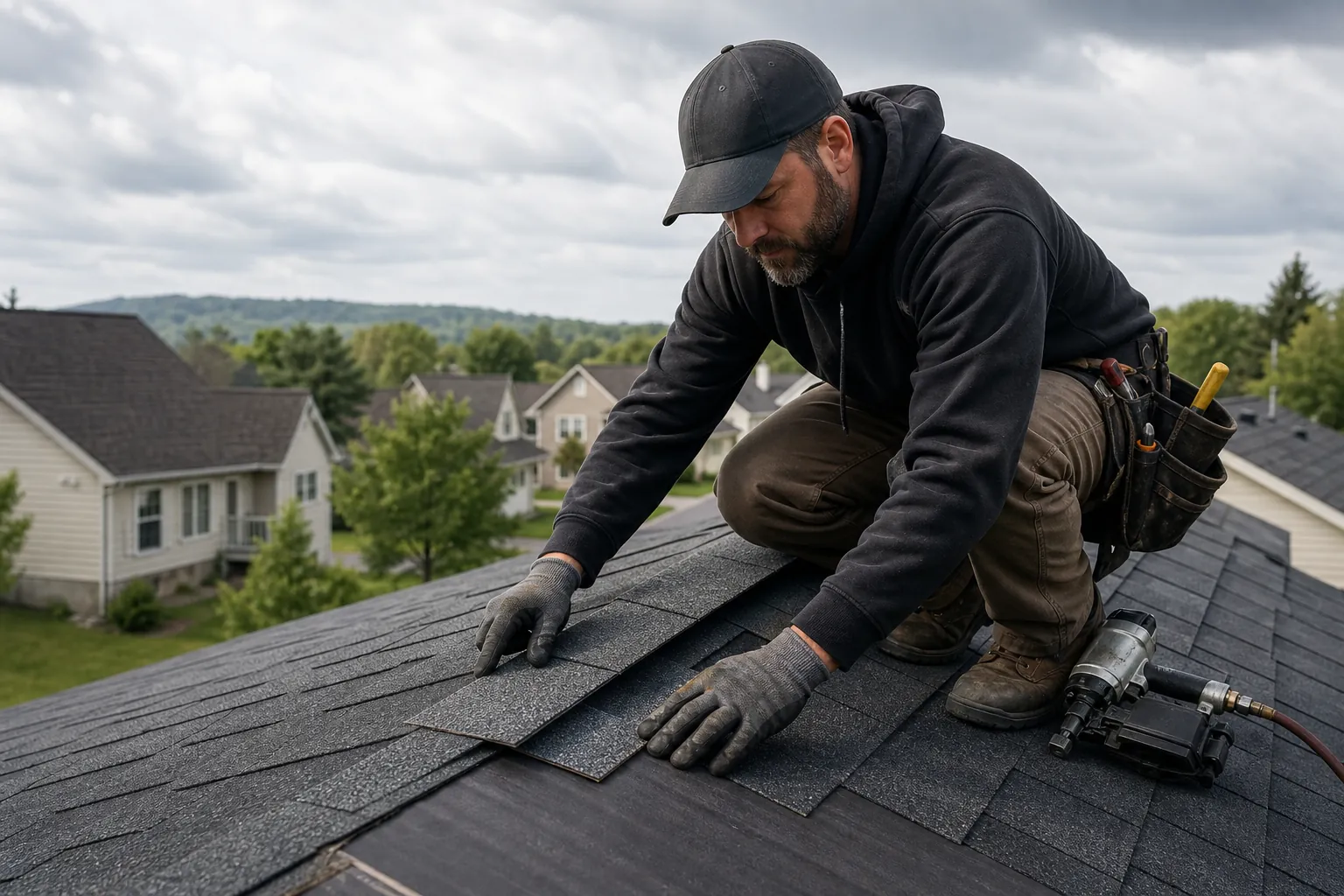
How can roofers make an SEO scope concrete enough to audit?
An SEO proposal should name the work the agency will do. A broad claim about better search reach isn't enough to define scope. For roofers, tasks might include service-area pages and fixes to the site. Google Business Profile work should use accurate facts about the business.
Start with the SEO audit and ask what it checks. Does it cover crawling, indexing, site structure, and ease of use on phones? Ask about internal links, redirects, duplicate pages, and structured data where it fits. Keep audits separate from fixes. Finding a problem doesn't mean the agency will fix it.
Review the content plan and the kinds of pages it includes. A useful proposal explains research methods, who reviews drafts, and when pages go live. It may call for separate roof repair or replacement pages. Those pages should cover services the business truly offers.
Roofing content should reflect the business's real services and service areas. Each claim needs support from facts the business can show. Don't publish unsupported claims about credentials, warranties, emergency service, financing, or areas served.
Link building needs a clear scope, like other SEO work. Ask how the agency checks sites and who approves outreach. Ask how it records the links it earns for your business. Avoid fixed link counts with no clear rules for relevance or quality.
- Require a ranked list of technical SEO fixes, with an owner for each task.
- Request a content plan that identifies new pages, existing-page revisions, and approval requirements.
- Define which Google Business Profiles are included and who controls access.
- Ask whether web design or development work is included, limited, or separately priced.
- Require reports that link finished work to changes, without claiming that a link proves cause.

How should roofers separate paid search management fees from advertising spend?
A paid search quote should list agency fees apart from ad spend. Ad spend is the money paid to platforms to run ads. Two quotes may show the same total price but cover different work. Check how much each puts toward management and how much goes toward ads. Separate web design costs from analytics reporting work too.
A roofer's campaigns might split replacement, repair, and real service areas. Ask which groups the agency suggests and why they fit your needs. Find out how those groups help control spend and make reports clear. Ask how they help spot searches that don't fit your services.
Ask what PPC management covers at launch and after ads go live. Setup may include campaign settings, keyword research, negative keywords, ads, and conversion tracking. The scope should explain ongoing checks as well as setup tasks. Ask how the agency reviews search terms, budgets, ads, and landing pages.
Running ads doesn't mean the fee includes work to improve conversion rates. Ask if that work has its own scope or fee. Advice on a landing page isn't the same as building and maintaining it. The proposal should name who makes changes: the agency, your team, or another vendor.
Ask how the agency checks current ad rules before launch. Its review should cover planned claims and landing pages. Clarify who handles platform reviews and ads that aren't approved. Send questions about legal duties to qualified reviewers. Campaign management doesn't provide certification or legal advice.
- Confirm whether fees are flat, spend-based, or structured another way, and request a clear example.
- Identify the included platforms, campaigns, locations, and landing pages.
- Ask how often search terms, negative keywords, budgets, and ads are reviewed.
- Specify what happens when campaigns are disapproved or accounts face restrictions.
- Confirm that your organization retains access to advertising accounts and billing records.
How can roofers identify what AEO and AI search work actually includes?
AEO, GEO, LLM SEO, and AI SEO need clear task lists. They shouldn't appear as unexplained premium charges in a proposal. Ask the agency what each label means in terms of work. Much overlaps with strong SEO. Content and review methods may focus more on direct answers and consistent business facts. Define answer engine optimization tasks separately.
Useful AEO work can start with the questions roofing buyers ask. It may improve page structure and add short answers backed by detail. Explain real services, the limits of service areas, and how to request inspections or estimates. Avoid technical claims or claims about results that lack support.
Pages can explain how to request an inspection or estimate. They can list the roofer's services and the areas it serves. Send readers to the business for open dates, prices, or project details. Those details may depend on the business reviewing the job first.
AI search work may check names, locations, service details, and other business facts. These should match across the website and relevant outside sources. Structured data should describe the content readers can see on a page. It doesn't force Google AI Overviews or any other system to cite that page.
Ask how the agency checks ChatGPT, Perplexity, Gemini app, and other relevant answer tools. Samples can help show what those tools display at one point. But answers vary with the prompt, place, time, and system behavior. Reports should state these limits. One screenshot doesn't prove lasting reach across a market.
- Require a list of priority questions and the pages intended to answer them.
- Ask which business facts will be checked for consistency and how corrections will be handled.
- Request a documented sampling method for AI search observations.
- Reject promises of placement, citations, or inclusion in AI-generated answers.
Compare timelines without buying artificial certainty
Paid search can bring traffic once campaigns are approved and switched on. A fast launch doesn't mean requests will be a good fit. Campaigns still need accurate tracking and checks of the search terms used. They also need budget choices and reviews of the pages people reach after clicking.
SEO usually starts with research, followed by site changes and published pages. Search systems then crawl pages, and the agency reviews the work. Pace depends on site health, rivals, approvals, and available staff and funds. An agency can commit to a work schedule. It can't control how search systems respond.
For roofers, the schedule may depend on reviews within the business. Don't assume all content can get approved as soon as it's ready. Several people may need to check service details, privacy issues, and ad wording. The scope should account for those reviews and the time they take.
Compare proposals by the key steps each agency plans to finish. Early work might set up access, audit the site, test tracking, and rank page needs. Later work might fix site issues, publish approved content, and adjust campaigns. Ask what work can proceed if approvals or site changes are delayed.
A strong schedule names what the agency can and can't control. Paid search isn't a short-term fix for every gap in organic search. SEO work isn't a reason to stop checking paid campaigns, either. Each channel still needs its own review of progress and fit.
Define measurement before agreeing to deliverables
Roofers need reports that show more than total site visits. The scope should define what counts as an inquiry and a repeat contact. It should list the facts needed to check each request. Those facts help show if it fits the business's services and service area. Agree on analytics reporting definitions within the roofing SEO scope.
Keep contacts, valid inspection requests, booked inspections, estimates, and accepted jobs separate. Each marks a different step in the roofer's process. A form sent through the website isn't always a good sales lead. Define each step based on how the roofer actually handles requests.
Reports should keep each channel's results separate so readers can compare them. Organic clicks, paid clicks, Google Business Profile actions, and sampled AI citations measure different things. Don't blend them into a vague score for search reach. If a report uses one score, it should explain the score's limits.
Ask how the agency tests conversion tracking and who approves the data collected. Before setup is approved, ask qualified privacy and legal reviewers to check relevant rules. Those rules may affect tracking and ads. Compliance needs a review process with suitable advisers inside or outside the business. An agency's broad assurance isn't enough.
Installing a tracking tool doesn't mean its use is right for your business. Before setup, review where data goes, who has access, and how long it's kept. Review the terms with vendors as well. Don't casually send customer contact details or free-text form entries into ad or analytics systems.
- Define inquiry categories in writing before dashboards are built.
- Require a tracking inventory showing tools, events, access, and responsible owners.
- Ask how reports show missing data and limits on tracing results to channels.
- Separate management fees, advertising spend, and other costs when evaluating channel efficiency.
- Use approved feedback from staff to judge request quality without sharing needless customer details.
Check ownership, coordination, and change control
A scope needs to cover ownership as well as tasks. Know who controls your domain, website, Google Business Profiles, and ad accounts. Check who controls analytics properties and the content made for your business, too. Your access shouldn't depend on staying with the same agency for years.
Ask if new accounts belong to your business and how access is managed. Confirm what happens when the contract ends or you switch agencies. This should cover work files, written records, and access to campaigns. The contract should explain any valid reasons that specific items aren't included.
Separate SEO and paid search agencies need a shared plan for changes. Both may ask to change landing pages or publish similar content. Set clear rules for who decides what gets changed and when. Without them, teams may repeat work, change tracking without warning, or publish service details that conflict.
Roofers should name who approves public claims and replies to reviews. Those replies shouldn't share customer or job details that aren't needed. Work on Google Business Profiles should use accurate categories and hours. All other business facts on those profiles should be accurate, too.
Rules for changes don't need to create lots of extra work. Keep a shared request log and name a person to approve changes. Write down how content gets published so each team knows its role. Ask if fees cover meetings, revisions, and work with your current vendors.
Use a side-by-side agency scope checklist
Before choosing an agency, compare proposals using the same set of fields. A lower fee may cover fewer hours of hands-on work or fewer locations. It may pay for reports without ongoing changes to improve performance. A higher fee needs a clear reason, backed by defined work and responsibility. Separate SEO audit advice from technical SEO implementation.
For each group of tasks, record what's included, excluded, or capped. Note any work that depends on your team taking action first. Labels such as full service or AI-powered don't replace clear details about the work.
- Document the business goals, locations, services, and inquiry definitions each proposal covers.
- List technical SEO tasks and specify who implements the recommended changes.
- Compare content counts along with research depth, review standards, and allowed revisions.
- Record local SEO and Google Business Profile responsibilities for every included location.
- Separate PPC management fees from media budgets and platform charges.
- Identify whether conversion rate optimization includes implementation or recommendations only.
- Describe AEO and GEO work by pages, questions, checks of facts, and review methods.
- Confirm how often reports arrive, who owns accounts, how approvals work, and how contracts end.
Then ask each agency to explain one realistic tradeoff in its plan. What work comes first if the budget stays the same? Which location gets attention first, and what work must wait? Clear answers show if the proposal fits your business or comes from a standard package.
Choose a coordinated scope rather than a channel winner
Check that the SEO and paid search work fits the roofing business. The scope should support sound tracking and give each task a clear owner. Include the business's rules for approvals and handling data. Include its needs for reviewing ad policies before work goes live. Coordinate roofing SEO responsibilities with analytics reporting requirements.
SCALZ.AI provides AI-search visibility, technical SEO, local SEO, and content strategy services. Compare its approach with other agencies using the same detailed questions. Ask what's included, who does the work, and who approves content. Check tracking limits and how SEO, AEO, AI search, and PPC management fit together.
Review SCALZ.AI's roofing SEO service page, then use this checklist. Clarify who handles each task, who makes changes, and how costs are controlled.
Reviewing a roofing proposal? Visit the roofing SEO page and call 407-954-8800 to discuss the scope. Bring your proposals, questions about account ownership, and needs for reports. We can discuss the details you want made clear before buying. The goal is a clear buying decision, not a promised search result.
Frequently Asked Questions
Does an SEO audit include fixing the problems it finds?
An audit does not mean fixes are included. The scope should separate finding problems from making changes. It should list technical tasks, set priorities, and name the owner of each fix. Web design or development work may be included, limited, or priced separately. This distinction makes the purchased work easier to compare.
Does paid search management include building landing pages?
Paid search management does not automatically include building or maintaining landing pages. A page recommendation is different from putting that change into place. The proposal should state whether the agency, your team, or another vendor handles the work. It should also make clear whether conversion rate optimization is part of the fee.
How should roofers compare SEO and paid search timelines?
Compare scheduled work and milestones rather than promised search outcomes. Paid search can produce traffic after approval and launch, though inquiry quality still needs review. SEO involves research, changes, publication, crawling, and reassessment. Site condition, competition, approvals, and resources affect its pace. A useful schedule separates agency tasks from work that depends on your team.
Which inquiry measures belong in a roofing marketing report?
Reports should separate contact activity, valid inspection requests, scheduled inspections, estimates, and accepted projects. These categories should match the roofer's actual process. Duplicate contacts and requests outside the business's services or area need clear treatment. Every form submission should not count as a qualified opportunity. Organic and paid clicks should remain distinct measures.
What account ownership details should a roofing agency scope cover?
The scope should identify who controls the domain, website, Google Business Profiles, advertising accounts, analytics properties, and content assets. It should explain permissions and what happens when the engagement ends. Transfer details should cover work files, documentation, and campaign access. Access should not depend on staying with one agency indefinitely.
Sources And Evidence
Google says AI Overviews and AI Mode don't need a separate optimization method. Review its AI features guidance when defining SEO and AI-search tasks. These Google features are separate from the Gemini app. A proposal should name the experience it measures. It should also keep the observations used to build its reports.
Use Google's people-first content guidance to review research, sources, and useful detail. The checklists here offer editorial advice for defining an agency scope. They don't assure rankings, citations, or inquiries.