

How do rehab agencies review mobile contact paths?

A mobile contact path starts when someone finds a healthcare provider. It ends with a call, form or search for the right location. For addiction treatment, it may start on Google or a program page. A Google Business Profile or AI answer can lead to different contact steps.
So, how do rehab agencies review mobile contact paths? They test each route on real phones and check each step's facts. They test calls and forms, then link findings to SEO and answer engine optimization. They also track inquiry events. A useful review shows what breaks and who should fix it.
Buyers comparing agencies should ask if this work is in scope. SCALZ.AI provides AI-search visibility, technical SEO, local SEO and content strategy services. Discuss its premium, custom, done-for-you service through an agreed scope. Its rehab lead generation services offer a place to discuss mobile contact paths.
How Should Agencies Review Mobile Rehab Contact Paths?
A homepage-only review misses much of the mobile experience. Someone researching a residential program may land directly on a location page. Another visitor may reach an IOP page through an organic result. A family member may tap the phone number in a local listing without opening the website. Map local SEO entry points to conversion rate optimization checks.
The agency should list entry points before it suggests changes. Include organic landing pages, local listings and paid pages where used. Add pages for rehab, detox, IOP, PHP and residential programs. Check which programs each location offers so the review doesn't support false contact routes.
AI search gives people another way to find a provider. For Google AI Overviews, check the links against the facts shown. Results vary, and agencies can't control which businesses a platform includes. They can check if linked pages have correct facts and are easy to use.
- Record the landing page and intended contact action for each priority program and location.
- Check whether search snippets and listing information match the destination page.
- Separate website contact paths from calls initiated directly through local listings.
- Document sampled AI search prompts, visible sources and review dates rather than treating one response as a permanent result.
This inventory gives SEO, AEO and GEO work a practical destination: accurate pages with clear next steps.

Why Should Agencies Test Contact Journeys On Real Mobile Devices?
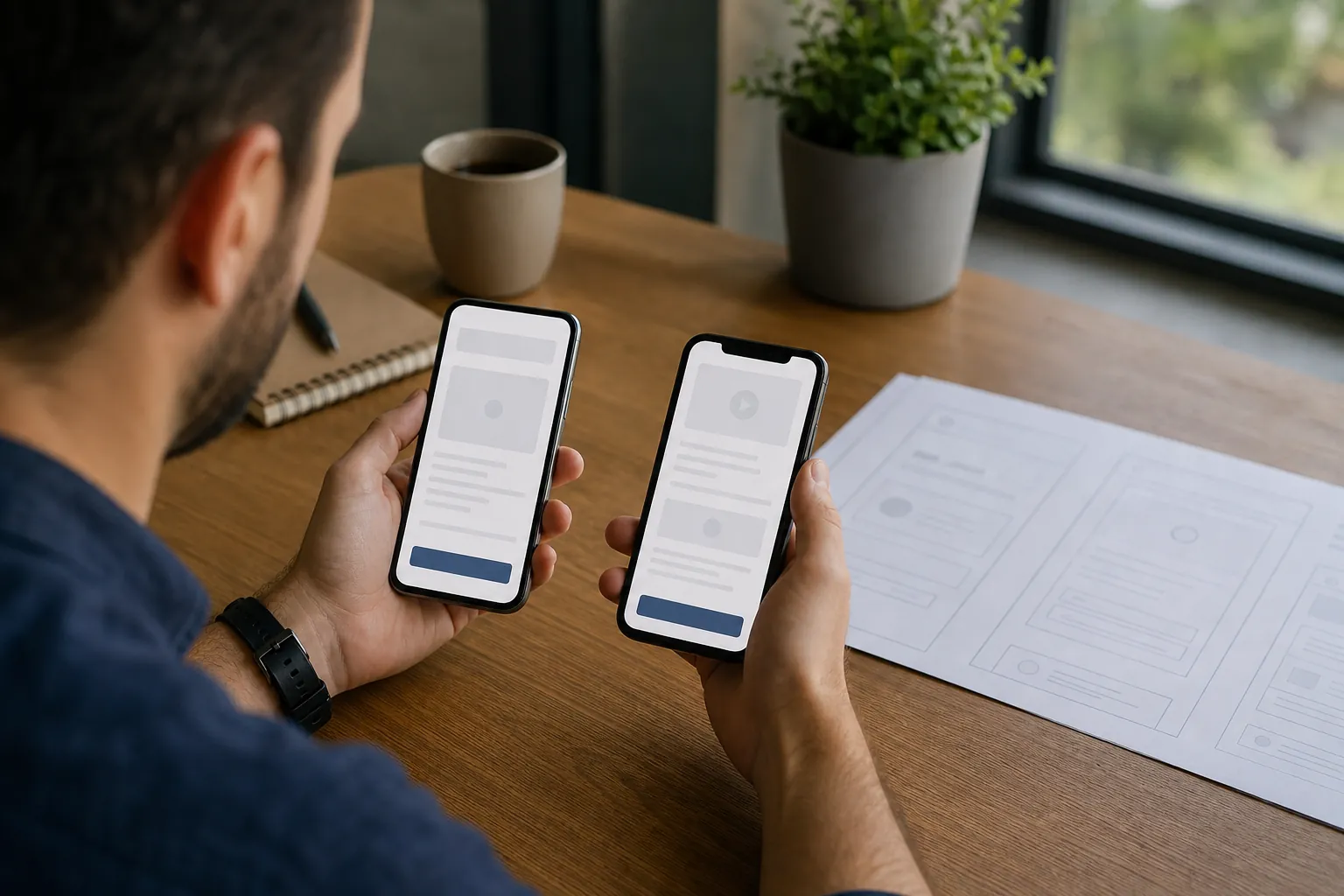
A desktop preview helps, but it can't replace a full mobile review. Agencies should test real phones, with a sample of iOS and Android devices. Test a range of browsers, screen sizes and keyboards. These checks can reveal flaws that a desktop preview doesn't show. Coordinate web design checks with conversion rate optimization.
Start from the search result or listing whenever possible. Open the page, dismiss or interact with consent notices, review the program information and attempt the contact action. Test on a normal mobile connection as well as Wi-Fi to distinguish layout problems from loading issues.
The review should cover the first screen and the full page. A sticky contact bar may work at the top but cover a form button lower down. A chat widget may obscure navigation. A phone link may appear clickable but contain the wrong destination number.
- Verify that tap targets are usable without precise finger placement.
- Confirm that phone links use the correct number and open the device's calling interface.
- Check that sticky headers, banners and contact bars do not cover important content.
- Test zoom, text resizing and screen orientation without losing the contact action.
- Inspect loading behavior, broken elements and unexpected layout movement.
Technical SEO and conversion rate optimization meet at this step. Search can bring someone to a page with poor mobile controls. Those controls can block the next step. Ask for findings your team can test again, rather than screenshots with vague labels.
Which Contact Questions Should The Page Answer?
A phone number alone may leave visitors with questions. Which location will answer, and does it offer the program they need? When does the office answer, and what happens after they send a form? Marketing content can explain these office processes without giving clinical advice. Connect content strategy with conversion rate optimization around those questions.
An agency should check the page against confirmed business facts. A page may describe PHP at one location but list a central number. If it doesn't explain that route, the contact path needs work. A central team can handle inquiries, but the page should explain this clearly.
AEO helps make useful answers easy to read and pull from pages. Short sections can explain contact hours, location details and inquiry steps. Those sections should use clear, confirmed facts. This helps readers who arrive through standard SEO and AI search too.
- State which location or team receives the inquiry when that information is available.
- Describe contact hours accurately and distinguish them from facility operating hours.
- Explain the next administrative step without promising response times the organization cannot support.
- Use descriptive button labels such as “Contact Our Admissions Team” instead of ambiguous labels.
- Make program names and location details consistent across relevant pages.
Structured data can help support confirmed business facts where it fits. It doesn't ensure that an answer engine will include the business. The page content must still be correct and useful on its own.
Why Should Agencies Audit Calls, Forms And Confirmation Steps Separately?
Calls and forms serve different preferences and circumstances. A sound review tests both rather than assuming that one contact method fits every visitor. If the site offers another channel, the agency should verify its stated availability and destination too. Define rehab lead generation checks within conversion rate optimization work.
For calls, check the number shown, the phone link and call routing. Check if different pages have a valid need for different numbers. If the site uses tracking numbers, test how they replace standard numbers. Call tracking must not create conflicting business facts or send calls elsewhere.
Coordinate testing with the organization. Staff should know when a test call is coming, and reviewers should not imitate a real patient inquiry. The goal is to verify the technical and administrative handoff, not evaluate clinical conversations.
For forms, check labels, required fields, mobile keyboards and error messages. Check if an error clears details the user has already entered. Losing that work makes the form harder to use. A sent form should show a clear success message and reach the right team.
- Use approved test information rather than personal health details.
- Check whether required fields have an operational reason to exist.
- Confirm that validation errors identify the specific field needing attention.
- Verify that duplicate taps do not create confusing submission behavior.
- Test the confirmation page, notification delivery and destination inbox.
Forms should explain what users send and where to find privacy details. The agency should flag wording that isn't clear. The organization's proper reviewers should assess those concerns, rather than the agency making legal judgments.
Review Local Listings And AI Search Handoffs
Google Business Profile checks belong in the contact review. Many mobile users take action before they visit the website. Check business names, addresses, phone numbers, website links, hours and relevant categories. Compare each field with the organization's approved records. Include these checks in the local SEO scope.
For organizations with multiple locations, test each listing separately. A listing that sends visitors to a general homepage may leave them searching again for the location they already selected. When appropriate, the linked location page should preserve that context and offer a clear contact route.
AI search handoffs need the same checks for correct facts. Try questions about a provider's location, programs and contact steps. Use Google AI Overviews, ChatGPT, Perplexity and Gemini app where available. Record the answers and cited pages, then check if those pages support the claims.
These samples don't give a full score of search visibility. Answers may vary by question, session, region and platform changes. Useful findings often include conflicting source facts or thin location pages. They may also reveal unclear details about which programs a location offers.
For GEO, LLM SEO and AI SEO, use facts you can check. Improve the pages and listings the organization controls. Record wrong facts in outside sources for the right team to address. An agency can't force an AI platform to recommend a provider.
Measure Contact Actions Without Overcollecting Data
Reports should separate signs of interest from completed contact steps. A phone-link tap doesn't prove that a call connected. A form-button click doesn't prove that the form was sent. Check thank-you page views too, since users may reload or open that page directly. Align analytics reporting with the conversion rate optimization event definitions.
Ask the agency to define each event in plain language. Reports should state what is measured, where it is measured and what limitations apply. Attribution may be incomplete when someone discovers a provider on one device and contacts it later through another channel.
Healthcare teams should assess tracking through their privacy, security and compliance processes. Ask the organization's qualified privacy and legal reviewers which rules apply. They should review the needs tied to each tracking choice. This supports compliance-aware work; it isn't legal advice.
- Keep sensitive form entries out of analytics event names, URLs and routine reporting.
- Review third-party tags and recording tools before deploying them on contact pages.
- Distinguish phone-link taps, validated form submissions and other measurable actions.
- Document tracking assumptions, consent behavior and known attribution gaps.
- Use approved, limited-access reports appropriate for the data involved.
The agency should explain how it works with internal reviewers. A tracking setup may be easy to install and use. That doesn't mean it's suitable for a healthcare website.
Turn Findings Into A Prioritized Work Plan
A useful audit gives your team a clear plan for fixes. Group findings by impact, urgency, effort and who owns the work. A broken phone link usually comes before a small spacing change. A wrong location link shouldn't get buried under a long list of visual tweaks. Separate technical SEO repairs from web design refinements.
Each finding should name the starting point and device or browser. It should show the problem, proposed fix and way to test it. These details make the work easier to assign. They also reduce repeat talks about what the agency found.
Separate urgent fixes from broader content and technical SEO work. An agency might fix a form alert today and rewrite location content next. Changes to site menus could come later. Each task may depend on other work, so don't treat them as one large project.
- Fix contact actions that fail or route to the wrong destination first.
- Correct inaccurate business and program information across priority pages and listings.
- Make unclear steps easier to follow and remove needless form barriers.
- Check that analytics work once the contact fixes are complete.
- Retest the original journey and document whether the issue is resolved.
For buyers, who does the work matters as much as finding flaws. Ask if the agency makes approved changes or guides your web team. Some agencies may supply advice alone. Done-for-you work needs clear scope limits and rules for approval.
Compare Agencies By Evidence And Delivery
When comparing SEO agencies, ask for a sample mobile contact-path audit. The agency should remove private details before sharing it. A sound example shows test methods, recorded issues, priorities and repeat checks. A basic checklist won't show how the agency handles your specific needs. Compare SEO audit scope with conversion rate optimization implementation.
Custom work should account for your program mix, locations, website platform and inquiry workflow. Rehab, detox, IOP, PHP and residential pages may share components, but their location details and contact instructions still need individual verification.
Assess a proposed SCALZ.AI engagement by its agreed scope and work. Rankings and inquiry volume remain uncertain. Ask how rehab marketing, addiction treatment SEO and local SEO fit together. The plan should also explain how content strategy and conversion rate optimization connect with that work.
- Ask which devices, browsers, landing pages and local listings are included.
- Confirm whether implementation, quality checks and post-launch retesting are included.
- Request clear definitions for reported contact events and attribution limitations.
- Ask how AEO and AI search observations translate into specific page improvements.
- Clarify approval responsibilities for business facts, privacy practices and website changes.
If paid campaigns are in scope, ask about PPC management handoffs. Review them alongside the routes people take from organic search. Before changes, qualified reviewers should check each channel's eligibility or certification rules. An agency's marketing work isn't certification or legal approval.
Apply The Method Across Healthcare Practices
The same framework helps behavioral health and mental health providers, dental practices, med spas and other healthcare organizations. Start with the real discovery route, verify the destination and test the contact action. Adapt the questions to the business rather than copying rehab-specific language. Coordinate local SEO discovery with conversion rate optimization contact checks.
Behavioral health marketing and mental health practice SEO may cover several offices. Each office needs clear location details and inquiry steps. Dental SEO reviews may focus on appointment requests at each location. For med spa marketing and healthcare SEO, check that descriptions, contact labels and teams match the services offered.
The shared principle is continuity. A search result, AI answer, local listing and landing page should not give conflicting accounts of where to go or whom to contact. Agencies should resolve those conflicts using approved business information, not assumptions.
Build A Repeatable Review Schedule
Mobile contact paths can change after a site redesign or location opening. New phone numbers and form updates can change them too. Test again after major changes to those routes. Agree on a regular review schedule that fits the team's time and resources. Include conversion rate optimization retesting in that schedule.
Keep a compact record of tested paths, open issues and completed fixes. That record helps marketing teams connect SEO and AI search work with the practical experience visitors receive after discovery.
SCALZ.AI provides AI-search visibility, technical SEO, local SEO and content strategy services. Define the proposed scope, responsibilities and reporting before choosing an engagement.
Frequently Asked Questions
Which starting points should a mobile contact-path audit cover?
The audit should cover organic landing pages, local listings and paid landing pages where relevant. It should include pages for available programs and locations. Each priority entry needs a recorded destination and intended contact action. Calls made directly from local listings should be tracked separately from website contact paths.
What should a mobile form test include?
A mobile form test should check labels, required fields, keyboard types and error messages. Reviewers should use approved test details rather than personal health information. They should confirm that errors do not erase entered details. A successful test should show a clear confirmation and deliver the submission to the intended team.
How should buyers interpret reported mobile contact events?
Buyers should distinguish contact attempts from completed actions. A phone-link tap does not prove that a call connected. A form button click does not prove a successful submission. Reports should define each event, explain where it is measured and note limits, including gaps when people switch devices or contact channels.
What should the audit's repair plan contain?
The repair plan should group findings by impact, urgency, effort and ownership. Each issue should name the starting point, device or browser, observed problem, proposed fix and validation method. Failed or misrouted contact actions should come before cosmetic changes. The scope should state who makes approved changes and who retests them.
When should mobile contact paths be tested again?
Mobile contact paths should be tested again after meaningful changes. These include a website redesign, a new location, a changed phone number or an updated form integration. A routine review schedule should fit the organization's resources. A compact record of tested paths, open issues and completed fixes helps teams keep track of the work.
Sources And Evidence
Google says AI Overviews and AI Mode need no separate optimization method. Review its AI features guidance when setting the scope for SEO and AI-search work. These Google features are separate from the Gemini app. A proposal should name the experience measured and keep the test records.
Use Google's people-first content guidance to assess research, sources and useful detail. These checklists offer editorial advice for setting an agency's scope. They don't ensure rankings, citations or inquiries.