

How to build a useful Google Business Profile Q&A strategy
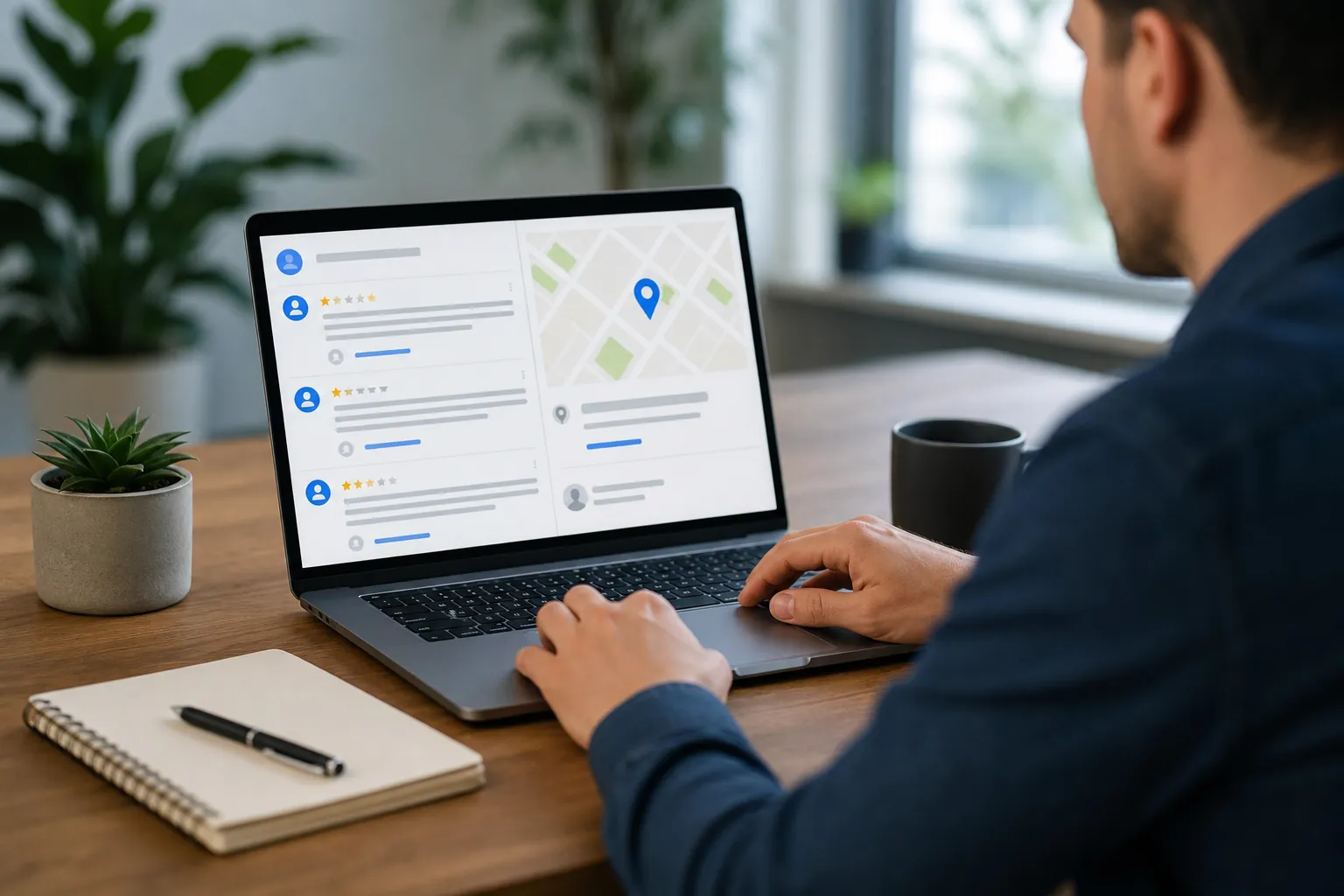
Google Business Profile questions and answers can influence how quickly a potential customer understands your company. The section often appears while people are comparing options, checking service details, or looking for a direct answer before they call.
A practical Google Business Profile Q&A strategy treats this feature as a public information resource, not a one-time setup task. Questions can be submitted by anyone, and answers may come from customers or other Google users. Without regular oversight, incomplete or inaccurate information can remain visible during an important stage of the buying process.
For United States businesses serving local markets, the goal is simple: provide clear, factual answers that help people decide whether your company fits their needs. The following framework explains how to research, write, monitor, and improve that content responsibly.
Understand The Role Of Profile Questions And Answers
The Q&A section is different from the business description, service list, posts, and reviews. It addresses specific concerns in a conversational format. A person might ask about service areas, appointment requirements, accessibility, payment options, or turnaround times.
These questions reveal the details people need but may not find easily on your website or profile. They can also identify gaps in your local SEO and content strategy. If prospects repeatedly ask whether you serve a particular city, for example, your service-area information may need clarification across multiple channels.
Answers should remain concise and verifiable. Avoid promotional claims, keyword stuffing, or language that sounds like a guarantee. A useful response answers the question first, adds essential context, and directs the reader to the appropriate next step when necessary.
Research Questions Before Publishing Answers
Begin with genuine customer concerns rather than a list of search terms. Review emails, sales calls, contact forms, live chat transcripts, and questions received by customer service teams. Staff members who speak with prospects can often identify recurring points of confusion.
Next, compare those questions with the information already available on your Google Business Profile and website. Do not add answers that conflict with published policies, hours, or service details. Resolve internal inconsistencies before making new information public.
A useful research checklist includes:
- Eligibility: Who is the service designed for, and are there relevant limitations?
- Location: Which offices, cities, regions, or service areas are supported?
- Process: What should someone expect when requesting information or scheduling?
- Availability: Are appointments required, and where can current hours be confirmed?
- Pricing: Can you explain how estimates, consultations, billing, or accepted payment methods work without posting misleading figures?
- Accessibility: What accommodations or access details can be stated accurately?
- Trust: Which credentials, policies, or safety procedures can be verified?
- Next steps: Should the reader call, visit a page, submit a form, or speak with a specialist?
Prioritize questions that remove meaningful uncertainty. Skip vague promotional prompts created only to mention a service or location. Every entry should be helpful even if the reader does not immediately contact the business.

Write Clear Answers For People And Search Systems
Strong answers use natural language and direct phrasing. Start with a clear yes, no, location, requirement, or process detail when possible. Then explain any conditions. If information changes frequently, direct readers to a maintained page or ask them to confirm with the business.
Use the terms customers use, but do not repeat the same phrase unnaturally. Search systems and AI tools benefit from consistent entities and facts. Your business name, services, locations, and policies should align across the profile, website, directories, and other authoritative sources.
This consistency connects Google Business Profile optimization with AI SEO, answer engine optimization (AEO), generative engine optimization (GEO), and LLM SEO. The objective is not to manipulate an AI response. It is to make accurate business information easier for people and systems to interpret.
Regulated or sensitive industries require additional care. Behavioral health marketing and rehab marketing content, for example, should avoid diagnosing users, making treatment promises, or exposing private information. Questions about clinical suitability, coverage, or urgent needs should be routed to qualified staff and appropriate resources.
Create A Repeatable Monitoring Workflow
Assign ownership to a specific person or team. Without clear responsibility, new questions can go unnoticed or receive conflicting answers from multiple departments. Establish a review schedule based on profile activity and operational capacity.
When a new question appears, confirm the facts with the appropriate internal owner before responding. Keep a record of the question, approved answer, publication date, and reviewer. This makes future updates easier when services, hours, policies, or locations change.
Monitoring should also cover answers posted by the public. If an answer is inaccurate, provide a correct response from the business and use available reporting options when content violates Google policies. Do not argue with users or disclose customer information.
Include Q&A checks in broader local SEO and SEO audit routines. Review profile categories, services, hours, links, photos, and landing pages at the same time. Technical SEO and web design reviews can help ensure linked pages load properly, work on mobile devices, and present matching information.
Connect Q&A Insights To Your Marketing
Recurring questions can guide content strategy. A short profile answer may point to a detailed service page, FAQ, comparison guide, or process overview. Build those resources when the topic requires nuance, supporting evidence, or frequent updates.
Q&A themes can also inform PPC management by highlighting the concerns prospects have after clicking an ad. They may reveal useful topics for landing pages, ad copy, and qualification forms. Link building can support deeper educational resources when outreach is relevant, but links should not be forced into profile answers.
Track practical indicators such as new-question volume, response time, outdated answers corrected, and themes that recur. Also note whether those themes lead to website improvements or clearer sales conversations. Avoid attributing calls or conversions to Q&A without reliable measurement.
Maintain Accuracy Over Time
Review the entire section after operational changes. New locations, revised hours, updated service areas, pricing changes, and new policies can make older answers misleading. Seasonal businesses should check time-sensitive information before each operating period.
SCALZ.AI helps U.S. businesses connect Google Business Profile optimization with local SEO, AI SEO, AEO, GEO, LLM SEO, technical SEO, and content strategy. The focus is on accurate information architecture and manageable workflows rather than promises about rankings or AI citations.
If your profile has unanswered questions, conflicting information, or no clear review process, start with a focused inventory. For help evaluating the section and planning next steps, call SCALZ.AI at 407-954-8800.
Call 407-954-8800 to talk through next steps.